The Ultimate Renovation Dilemma: Should You Remodel Your Whole House at Once or in Stages?
You’ve decided it’s finally time to transform your house into your actual dream home. You’ve got the mood boards, the paint swatches, and a vision. But before anyone swings the first sledgehammer, you hit a massive fork in the road: Should you rip the Band-Aid off and remodel the whole house at once, or take it slow and renovate room by room?
At Under Pressure General Contracting, we help homeowners navigate this exact crossroads every single day. There isn’t a one-size-fits-all answer, but making the wrong choice for your budget or lifestyle can turn your dream project into a major headache.
Let's break down the pros, cons, and hidden realities of both approaches so you can choose the path that keeps you—and your wallet—sane.
Option 1: The "All-In" (Whole-House Remodel)
Going "all-in" means we tackle the entire property under one comprehensive contract. It is fast-paced, highly efficient, and requires some serious upfront planning.
The Pros:
- Cost Efficiency (Scale): This is the biggest financial perk. When we bring in our plumbing, electrical, and drywall teams, they can wire or pipe the entire house simultaneously. You only pay for mobilization fees, permits, and dumpster rentals once.
- Cohesive Design: When everything is done together, your flooring flows perfectly without weird transitions, the paint undertones match, and the design language is seamless from the front door to the back porch.
- Shorter Overall Timeline: It might feel like a whirlwind, but you are condensing years of intermittent construction noise and dust into a single, defined window of time.
The Cons:
- Massive Upfront Capital: You need a serious stash of cash or a construction loan ready to go on day one.
- Displacement: You cannot live in a house that is being entirely gutted. You will need to factor the cost of a temporary rental, an Airbnb, or crashing with relatives into your overall budget.
💡 The Under Pressure Takeaway: If you have the financial means, a temporary place to live, and want to get the dust over with quickly, ripping the Band-Aid off is almost always the most economical choice.
Option 2: The "Slow Burn" (Renovating in Stages)
Phasing your remodel means you tackle one project at a time—like updating the kitchen this year, moving to the master bathroom next year, and finishing the basement down the road.
The Pros:
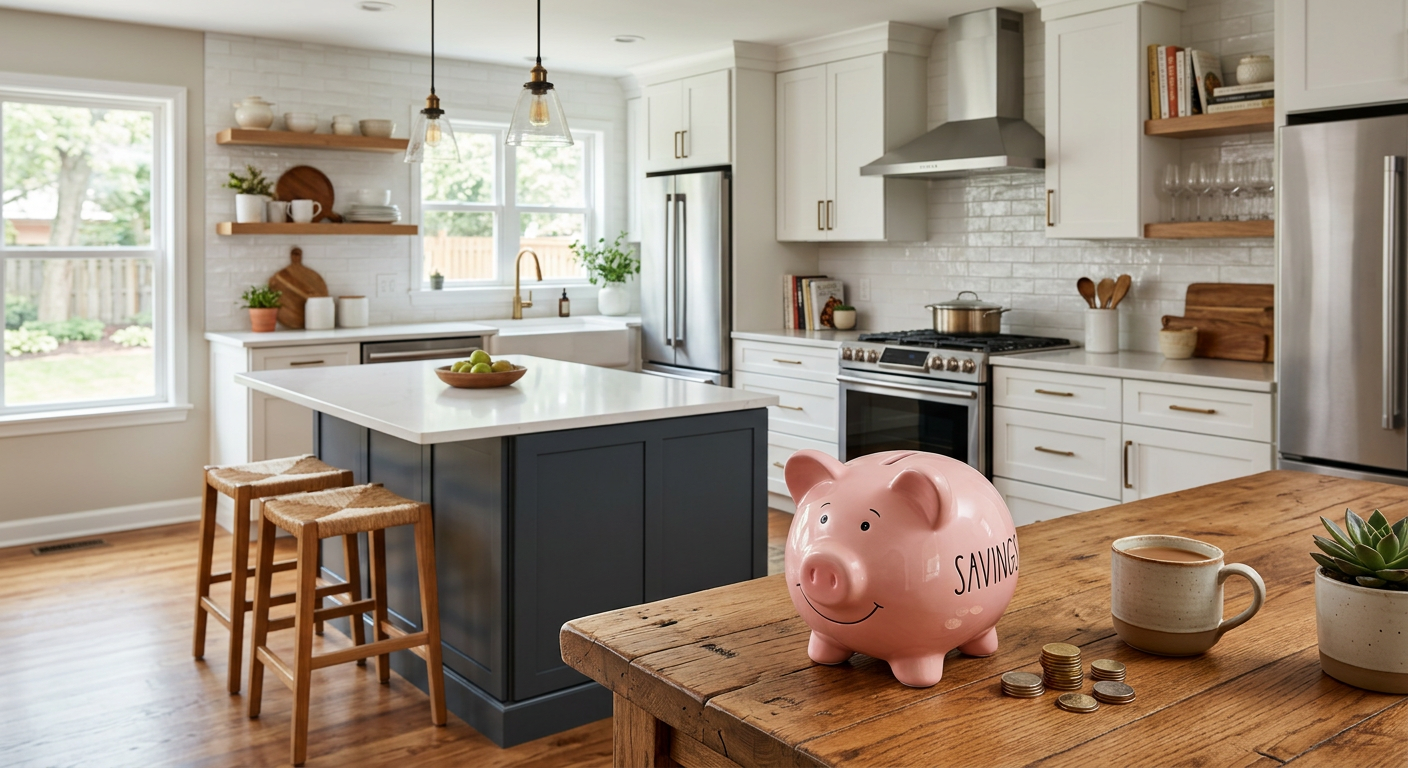
- Cash-Flow Friendly: You don't need a massive lump sum. You can save up for each phase individually, avoiding high-interest financing and keeping your debt to a minimum.
- Test-Driving Your Contractor: Phasing allows you to build trust. When you see how seamlessly our team handles your guest bathroom, you'll feel 100% confident letting us back in for the high-stakes kitchen remodel later.
- Time to Live in the Space: Living in a house for a while helps you understand its quirks. You might think you want a giant kitchen island today, but after six months of living there, you realize a pantry wall is actually what you need.
The Cons:
- "Renovation Fatigue": Living in a perpetual state of "almost done" can be exhausting. Just as you finish cleaning up the dust from the kitchen, it's time to start the living room.
- The "Snowball Effect" and Style Shifts: Design trends change. If you take five or six years to remodel your home in stages, the rooms you did first might already start looking dated by the time you finish the final phase.
- Higher Total Cost: You will pay individual setup fees, multiple permit fees, and face inflation on materials over time.
The Side-by-Side Comparison
To help you visualize the trade-offs, here is a quick breakdown of how the two methods stack up:
| Factor | Whole-House Remodel | Remodeling in Stages |
|---|---|---|
| Total Cost | Lower overall cost due to economies of scale. | Higher overall cost over time due to repeated setups. |
| Upfront Cash | Massive financial commitment required immediately. | Flexible, budget-friendly cash flow. |
| Living Situation | Must move out entirely for weeks/months. | Can usually live on-site (with minor adjustments). |
| Stress Level | High intensity, short duration. | Low intensity, long duration ("never-ending" vibe). |
| Design Consistency | Highly cohesive throughout. | Risk of disjointed or dated styles over time. |
How to Make Your Decision: Ask Yourself These 3 Questions
Still on the fence? Let these three practical questions be your guide:
1. What is your tolerance for chaos?
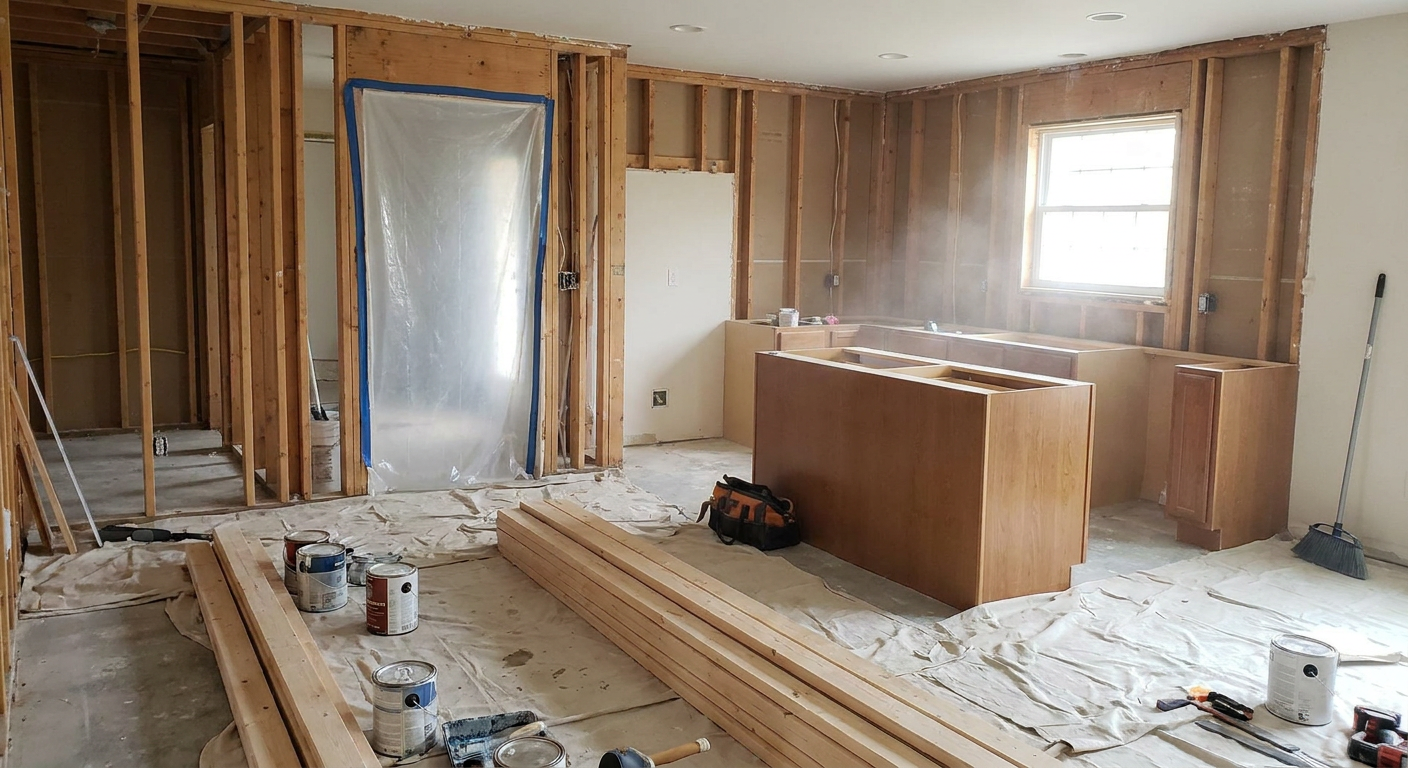
Be honest about your lifestyle. Can your family (and pets) handle a dusty microwave on the living room floor and construction crews walking through your home for a few months out of every year? Or would you prefer to step away, let the experts do their thing, and return to a finished masterpiece?
2. Is your home's infrastructure compromised?
If your home needs a new roof, upgraded electrical panels, and entirely new plumbing, doing it in stages can actually cost you double. You don't want to tear open a wall to fix a pipe for a bathroom remodel today, only to tear it open again next year for the kitchen. If the "bones" of the house need work, it's always best to do the structural updates at once.
3. Where are you going to live?
If you have a free place to stay or room in the budget for a temporary rental, a whole-house remodel becomes incredibly attractive. If moving out isn't an option, phasing your remodel is practically a necessity.
Final Thoughts
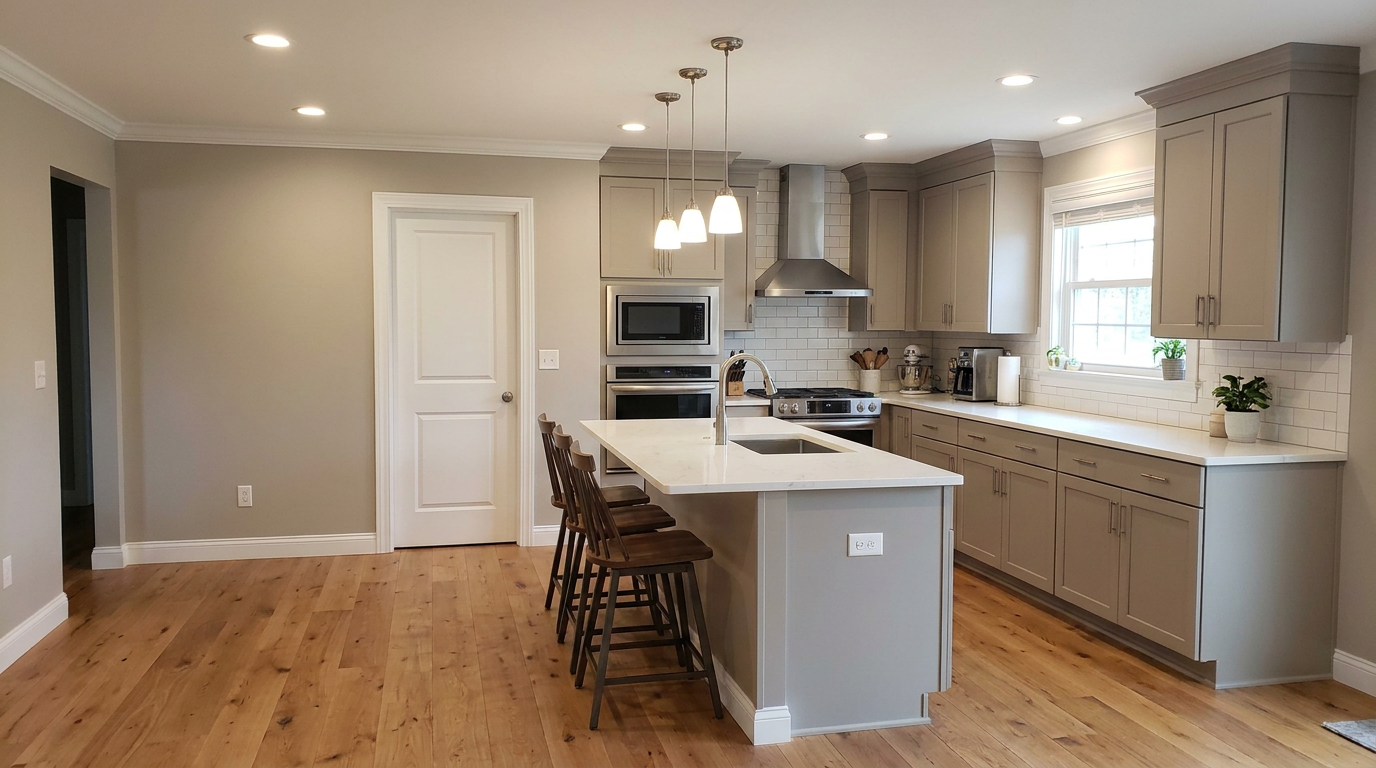
There is no wrong way to build your dream home. If you value your day-to-day sanity and prefer a tight grip on cash flow, phasing your remodel is a smart, measured approach. But if you want to maximize your investment, ensure a cohesive design, and get the chaos over with as fast as possible, save up and tackle the whole house at once.
Whichever path you choose, Under Pressure General Contracting is here to take the pressure off your shoulders. We work with you to map out a timeline and budget that aligns perfectly with your life.
Are you leaning toward tackling your home all at once, or do you have a specific room you want to start with first? Let's chat about your ideas!