The Best Countertop Materials for Your Kitchen

A countertop is more than just a surface to chop vegetables or roll out dough. It's the foundation of your kitchen's visual appeal and functionality. The right countertop material can make your kitchen not only look beautiful but also make your cooking and cleaning tasks easier. That's why choosing the best countertop material is so essential. 


This guide will introduce you to various countertop material options. It aims to help you understand the differences between them, making your countertop material comparison simpler. Our goal is to assist you in finding what is the best countertop material for your kitchen in the Northland, aligning with your budget and lifestyle. Whether you are renovating an old kitchen or building a new one, understanding the types of countertop material is crucial.

Factors to Consider

Deciding on a countertop material can be daunting with so many choices available. However, considering a few key factors can significantly narrow down your options. These considerations will help ensure that you select a countertop material that will serve you well over the years. Moreover, embarking on a kitchen remodeling journey involves making choices that blend well with your kitchen's overall ambiance while staying within your budget.

Budget considerations

Your budget is a key starting point. Countertop materials come in a range of prices. Some materials are more affordable, making them a great choice for those looking for a cheap countertop material. Others are more of an investment. Knowing your budget will help steer you towards the materials that are within your reach, making your countertop remodeling project a smooth venture.


Aesthetic preferences

The look and feel of the countertop material play a significant role in your kitchen's overall ambiance. Do you prefer the elegant, timeless appeal of granite or marble? Or are you inclined towards a more modern, sleek look that quartz or stainless steel offers? Your aesthetic preferences are central to choosing a countertop material that you'll love.


Durability and longevity

Kitchens are busy places, and your countertop needs to withstand daily wear and tear. Materials like granite and quartz are known for their durability. Others might show signs of wear and tear faster. It's crucial to choose a countertop material that can stand up to your kitchen's demands.


Maintenance requirements

Maintenance is another important factor. Some materials require more care to keep them looking good. For instance, some need to be sealed regularly to prevent staining. Others, like quartz, require less maintenance. Understanding the maintenance requirements will help you choose a material that fits your lifestyle.


Environmental impact

If you're environmentally conscious, you might want to consider the environmental impact of the countertop material. There are eco-friendly options like recycled glass that can be a good choice. It's good to know how the material is sourced and its impact on the environment.


Functionality and intended use

Lastly, think about how you'll use your countertop. If you love baking, a marble countertop could be perfect as it stays cool and is great for rolling out dough. If you love to cook and need something heat-resistant, granite might be a better choice. Your cooking habits and intended use of the countertop play a big role in determining the best material for your kitchen.

Common Countertop Materials

Discovering common countertop materials is like embarking on a quest to find the heart of your kitchen's style and functionality. Each material has unique features that make it stand out. By delving into the pros and cons of these materials, you'll be better equipped to make an informed decision. Let's explore some of these popular choices and see how they might fit into your kitchen landscape.

Granite

Granite, a natural stone, carries a legacy of elegance and durability. It has graced the kitchens of many, offering a slice of nature right in the heart of your home.


Pros and cons


Pros

  • Highly durable
  • Resistant to heat and scratches
  • Each slab is unique in pattern
  • Cons:
  • Requires regular sealing to prevent stains
  • Can be expensive, but it's a long-term investment
  • Edges can chip if hit with a hard object


Best use cases

Granite's distinctive look and robust nature make it a favored choice for those who love a traditional or contemporary kitchen style. It’s a fantastic ally for hot pans and heavy pots, graciously withstanding heat without a fuss. The unique patterns and colors in each slab tell a story, adding a personal touch to your kitchen.
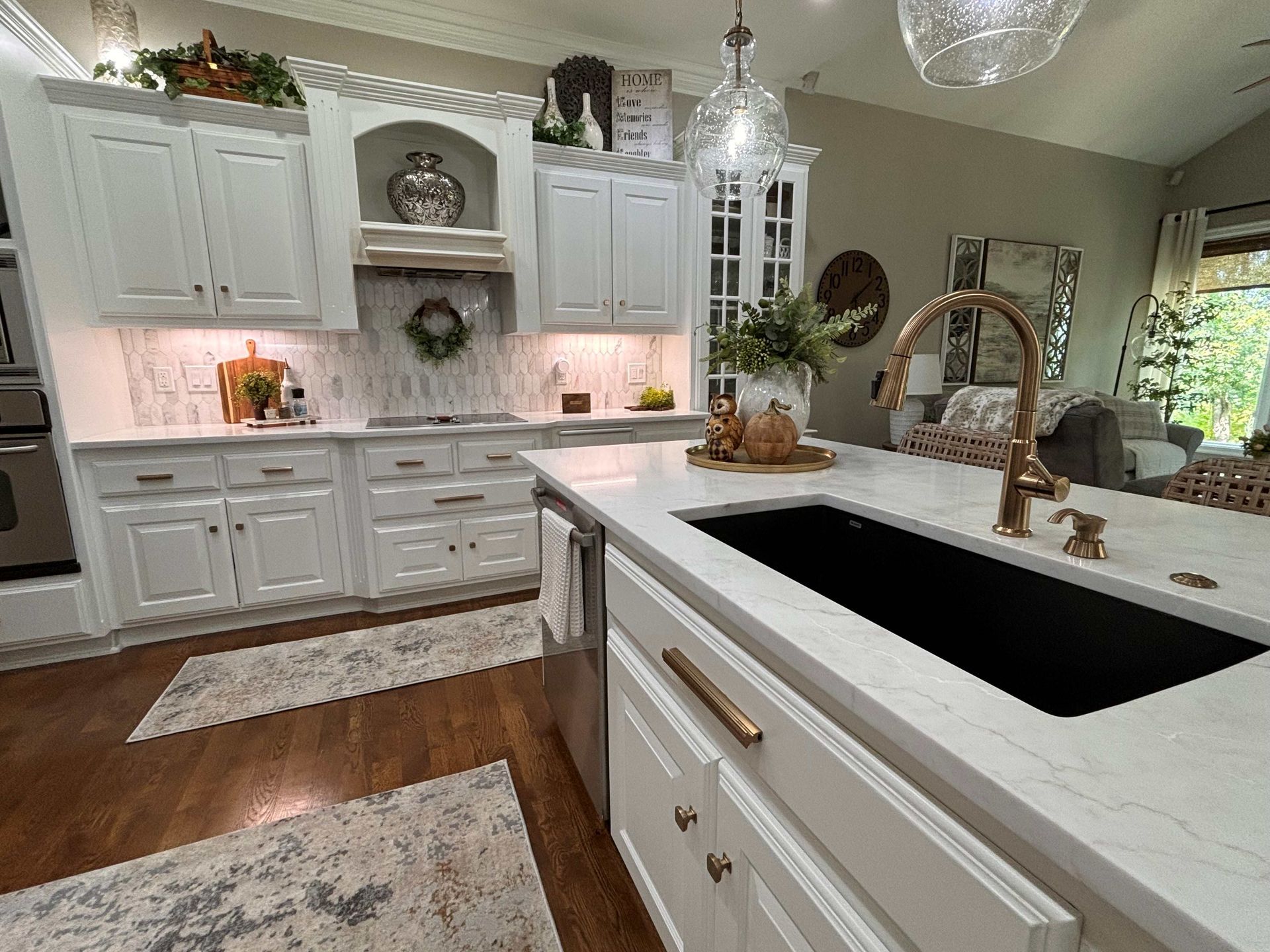
Granite Kitchen Counter Top

Quartz

Quartz countertops offer a harmonious blend of nature and technology, combining natural stone with resins to create a surface that's as sturdy as it is beautiful.


Pros and cons


Pros

  • Non-porous and stain-resistant, a friend to spills
  • Doesn’t require sealing, easing the maintenance task
  • Offers a wide variety of colors and patterns


Cons

  • Can be pricey, but its durability makes it worth
  • Not as heat-resistant as granite, a trivet is a good companion


Best use cases

Quartz shines in modern or minimalist kitchen designs with its sleek appearance. Its low maintenance nature is a boon for the busy homeowner. The wide color and pattern variety allows for a personal touch while keeping things chic and tidy. It's a generous companion for everyday cooking adventures, asking for little in return.
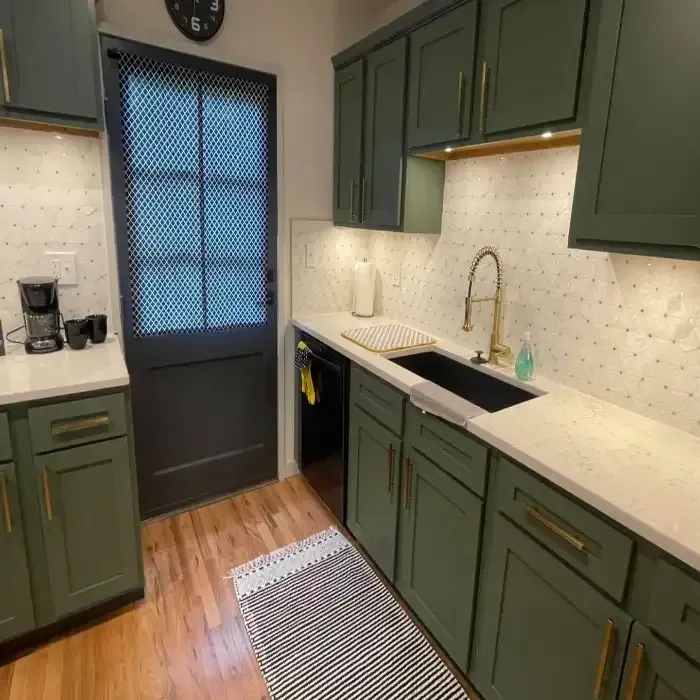
Quartz Kitchen Counter Top

Marble

Marble is synonymous with luxury. Its classic, timeless elegance has a soft spot in the hearts of many homeowners. The cool surface is a haven for pastry enthusiasts.


Pros and cons


Pros

  • Elegant and timeless, a visual delight
  • Ideal for baking stations, keeps dough cool
  • Adds value to your home


Cons

  • Prone to staining and scratching, demands gentle care
  • Requires regular sealing, a little love goes a long way
  • Can be pricey but it’s a statement of luxury


Best use cases

Marble is the epitome of elegance and is perfect for baking stations or areas where a cool touch is desired. Though it asks for a bit of care and attention, the aesthetic appeal and the ambiance it creates are unparalleled. It's a choice that whispers sophistication in every vein and swirl.
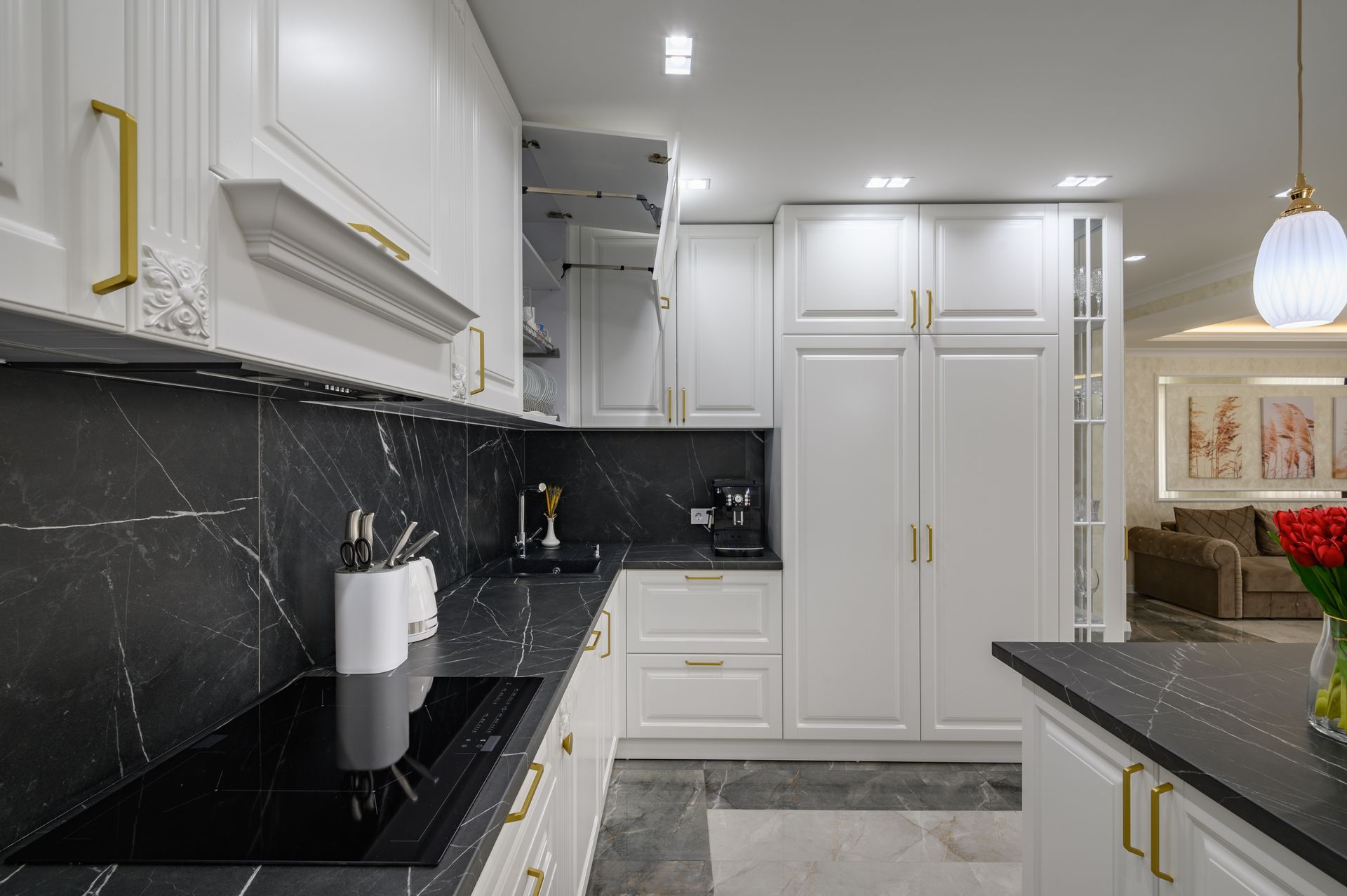
Marble Kitchen Counter Top

Specialty Countertop Materials

Venturing into the realm of specialty countertop materials unveils a world of unique and modern options. These materials go beyond the conventional, offering new avenues to express your style and cater to specific needs. Let’s delve into some of these intriguing options.

Making the Right Choice

Embarking on the adventure to find the perfect countertop is exciting. It's about matching your kitchen with your lifestyle and aesthetic preferences. The array of countertop material options can be both thrilling and a bit daunting. However, with so many materials to choose from, making the right choice can feel overwhelming. Yet, with a little guidance and a clear understanding of your needs, you can navigate through the options with ease. Every material has its story and understanding these can lead to a satisfying decision.


Assessing your needs and priorities

Understanding your daily kitchen routine is the stepping stone to making the right choice. Are you an avid baker or a home chef who loves experimenting with new recipes? Your activities in the kitchen help determine which countertop material suits you best. Moreover, considering how much time you spend in the kitchen and your cleaning habits will further refine your material options. It's about finding a material that graciously stands up to your kitchen adventures.


Sample selection process

A sample selection process can be quite enlightening. It's about getting a feel of the materials, seeing them in your space, and imagining them as part of your daily life. Sometimes, a material may look fantastic in a showroom but not gel with your kitchen's lighting or cabinet color. It's always a good idea to take home some samples. Observing how the samples look during different times of the day can give you a better understanding. It's a small step that can provide a clearer picture of how different materials vibe with your kitchen aesthetics.


Seeking professional advice

Sometimes, the best way to ensure you're making the right choice is by consulting with a professional. Their expertise can provide valuable insights into the different countertop material options and what might work best for your kitchen's layout and your lifestyle. They can steer you towards materials that align with your usage patterns and aesthetic preferences. A professional can also provide a different perspective, one that is honed by experience and knowledge of the latest countertop trends.


Combining materials for different purposes

Innovative kitchen designs often feature a mix of countertop materials. For instance, having a butcher block section for chopping and a granite or quartz section for other prep work. This mix not only caters to different functionalities but also adds a unique design element to your kitchen. It's a creative approach that allows for a customized kitchen space. It reflects a modern kitchen ethos, blending different textures and functionalities to create a space that’s uniquely yours.

Countertop Care and Maintenance

A countertop is a long-term investment. Its longevity largely depends on how well it's maintained. Different materials have different care and maintenance requirements. Learning about these requirements ahead of time can save you a lot of effort and keep your countertop looking pristine for years. It's about forming a friendly relationship with your countertop, understanding its needs, and taking steps to ensure it stays in great condition.


General cleaning tips

Keeping your countertop clean is fundamental. It's not just about aesthetics but also about maintaining a hygienic space where you prepare your food. Regular cleaning with the right products will keep your countertop shining and hygienic. It's also about forming a habit that ensures your kitchen remains a clean and inviting space. A well-maintained countertop can be a joy to work on, making your kitchen routines smoother and more enjoyable.


Maintenance routines for different materials

Each material has its own set of maintenance routines. For instance, granite requires periodic sealing to keep it stain-resistant, while quartz needs no such sealing. Being aware of these maintenance routines is essential for the long-term care of your countertop. It's also about matching your maintenance comfort level with the right material. A countertop that aligns with your maintenance routine will remain appealing and function efficiently for years.


When to seal or reseal countertops

Sealing is a common maintenance task for many natural stone countertops. It's about creating a protective barrier that keeps stains and bacteria at bay. Knowing when to seal or reseal your countertop is crucial to maintain its beauty and functionality. It's a simple step that can significantly extend the life and looks of materials like granite or marble. Ensuring that the sealing is done at the right intervals will keep your countertop looking new and serve you well over the years.


The quest for the perfect countertop material is a blend of exploring and matching your needs with the right surface. This guide has walked you through various facets of this journey, shedding light on different countertop material options and considerations. As you’ve navigated through the types of countertop material, you've embarked on a learning curve that not only educates you on the materials available but also brings you closer to making a choice that resonates with your lifestyle and aesthetic preferences. Now, with a realm of information at your fingertips, you are one step closer to transforming your kitchen into a space that reflects your persona and meets your daily needs effortlessly. So, explore our
homepage for more insights and step confidently onto the path of kitchen remodeling, armed with the knowledge to make informed choices.


This kitchen centerpiece deserves careful consideration. The right countertop can make your kitchen a joy to work in, adding both functionality and beauty. Remember, the best countertop material is one that fits snugly with your lifestyle, aesthetics, and budget. Your countertop is a long-term companion in your culinary adventures, so making a well-informed choice is paramount. The synthesis of functionality, beauty, and maintenance ease is the trifecta for a satisfying countertop choice. So, take your time, evaluate the different materials, and envision them in your space. With a clear understanding and a touch of professional advice, you're well on your way to finding a countertop that will serve you well for years to come. So, here's to making an informed choice and elevating your kitchen to a new level of functionality and aesthetic appeal!
By Shanelle Kidd July 23, 2026
Embarking on a home remodel or new construction is exciting, but let’s be honest—it can also feel a bit overwhelming. Between the drywall dust, the constant stream of craftsmen, and the sheer number of decisions to make, it’s completely normal to wonder: Do I need to hire a general contractor or can I manage the project myself? When you partner with a general contractor and project manager, you gain the peace of mind that your project is being expertly managed every step of the way. Your participation is totally up to you. Finding the communication sweet spot is the secret to a stress-free renovation. You want to stay informed and excited without accidentally slowing down the daily progress on-site. At Under Pressure General Contracting , we believe that clear, predictable communication is just as important as structural integrity. Here is a look at how we structure our project check-ins, what to discuss, and how we keep your remodel running like a well-oiled machine. The Golden Rule: The Weekly Scheduled Sync For most residential remodeling projects, meeting once a week is the absolute sweet spot. A weekly walk-through or chat via phone ensures everyone stays completely aligned without micro-managing the crew. Think of this as your designated time to review the big picture. We love scheduling these for the same day and time each week so it becomes a predictable, stress-free routine for your calendar. What We Cover in a Weekly Meeting: The Look-Ahead: What milestones were hit this week, and what is the exact schedule for next week? Upcoming Decisions: Are there any upcoming "deadlines" for choices you need to make (like final paint colors, grout lines, or hardware selection)? Logistics & Deliveries: Are fixtures and materials arriving on time? Are there any unexpected adjustments needed for the timeline? Communication Shifts by Project Phase While a weekly meeting is our baseline, the rhythm of your communication will naturally shift depending on what stage your home is in and your desired level of participation.
By Dallas Kidd July 17, 2026
You’ve decided it’s finally time to transform your house into your actual dream home. You’ve got the mood boards, the paint swatches, and a vision. But before anyone swings the first sledgehammer, you hit a massive fork in the road: Should you rip the Band-Aid off and remodel the whole house at once, or take it slow and renovate room by room? At Under Pressure General Contracting , we help homeowners navigate this exact crossroads every single day. There isn’t a one-size-fits-all answer, but making the wrong choice for your budget or lifestyle can turn your dream project into a major headache. Let's break down the pros, cons, and hidden realities of both approaches so you can choose the path that keeps you—and your wallet—sane. Option 1: The "All-In" (Whole-House Remodel) Going "all-in" means we tackle the entire property under one comprehensive contract. It is fast-paced, highly efficient, and requires some serious upfront planning. The Pros: Cost Efficiency (Scale): This is the biggest financial perk. When we bring in our plumbing, electrical, and drywall teams, they can wire or pipe the entire house simultaneously. You only pay for mobilization fees, permits, and dumpster rentals once. Cohesive Design: When everything is done together, your flooring flows perfectly without weird transitions, the paint undertones match, and the design language is seamless from the front door to the back porch. Shorter Overall Timeline: It might feel like a whirlwind, but you are condensing years of intermittent construction noise and dust into a single, defined window of time. The Cons: Massive Upfront Capital: You need a serious stash of cash or a construction loan ready to go on day one. Displacement: You cannot live in a house that is being entirely gutted. You will need to factor the cost of a temporary rental, an Airbnb, or crashing with relatives into your overall budget. 💡 The Under Pressure Takeaway: If you have the financial means, a temporary place to live, and want to get the dust over with quickly, ripping the Band-Aid off is almost always the most economical choice. Option 2: The "Slow Burn" (Renovating in Stages) Phasing your remodel means you tackle one project at a time—like updating the kitchen this year, moving to the master bathroom next year, and finishing the basement down the road. The Pros: Cash-Flow Friendly: You don't need a massive lump sum. You can save up for each phase individually, avoiding high-interest financing and keeping your debt to a minimum. Test-Driving Your Contractor: Phasing allows you to build trust. When you see how seamlessly our team handles your guest bathroom, you'll feel 100% confident letting us back in for the high-stakes kitchen remodel later. Time to Live in the Space: Living in a house for a while helps you understand its quirks. You might think you want a giant kitchen island today, but after six months of living there, you realize a pantry wall is actually what you need. The Cons: "Renovation Fatigue": Living in a perpetual state of "almost done" can be exhausting. Just as you finish cleaning up the dust from the kitchen, it's time to start the living room. The "Snowball Effect" and Style Shifts: Design trends change. If you take five or six years to remodel your home in stages, the rooms you did first might already start looking dated by the time you finish the final phase. Higher Total Cost: You will pay individual setup fees, multiple permit fees, and face inflation on materials over time. The Side-by-Side Comparison To help you visualize the trade-offs, here is a quick breakdown of how the two methods stack up:
By Shanelle Kidd June 30, 2026
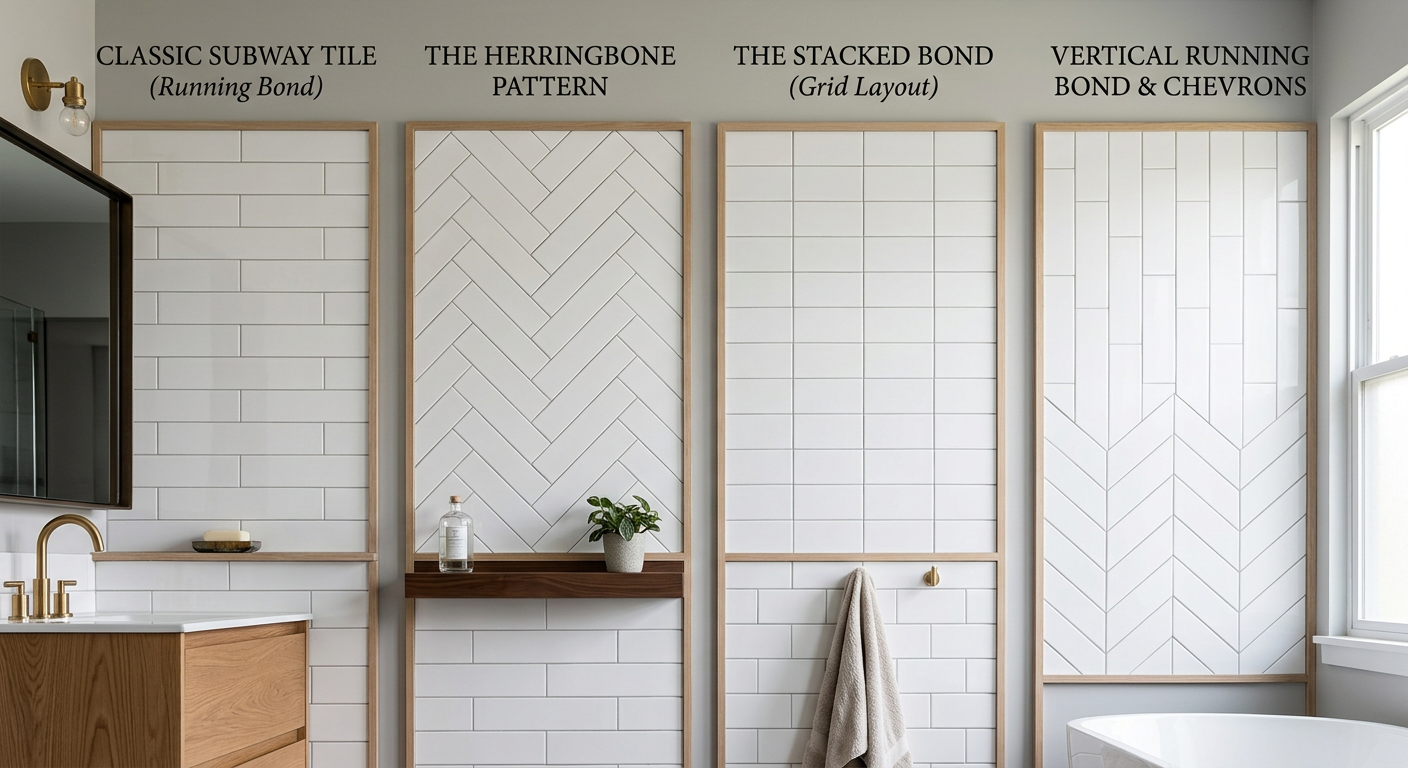
When planning a kitchen or bathroom remodel, it is incredibly easy to get lost in the sea of material choices. Homeowners spend weeks debating the merits of ceramic versus porcelain, hunting for the perfect shade of warm gray, or weighing the cost of hand-made Zellige tiles. But as a full-service build and design firm, our team at Under Pressure General Contracting often has to remind clients of a critical, hidden design element that completely alters the final look: the tile layout pattern. How your tile is arranged dictates the visual flow of a room, directly influences the perceived square footage of a space, and significantly impacts labor complexity. More importantly, from an investment standpoint, the pattern you choose plays a massive role in whether your remodel remains timeless or quickly dates itself—which directly affects your home’s future resale value. In this definitive guide, we break down the most popular tile layout patterns, analyze their technical requirements, and reveal which designs will truly stand the test of time. The Classic Subway Tile (Running Bond / Half Offset / 50/50 Brickset) Originating in the New York City subway system in 1904, the traditional running bond—commonly known as the subway layout—is an offset pattern where each rectangular tile overlaps the one below it by exactly half its length. —--Visual & Spatial Impact The running bond creates a highly stable, grounded aesthetic. Because the lines are broken up rather than running uninterrupted from floor to ceiling, it is incredibly soft on the eyes. Visually, a horizontal running bond draws the eye across the room, creating an illusion of width. This makes it an excellent choice for expanding narrow shower walls or making a compact kitchen backsplash feel more expansive. —--Technical Execution Notes While a 3x6-inch white ceramic tile is the historical standard, modern variations utilize larger formats like 4x12- inches or beautifully textured, hand-cut look tiles. One of the greatest structural advantages of a running bond is that the offset layout naturally masks minor variations in wall plumbness. If a wall in an older home bows slightly, a running bond is the most forgiving pattern to hide those imperfections. —--ROI & Resale Value: The Undisputed King If your primary goal is maximizing resale value and ensuring your home commands top dollar five, ten, or fifteen years from now, the horizontal running bond is your safest bet. It is completely immune to the shifting tides of interior design trends. It bridges the gap between historical charm and modern freshness, meaning a future buyer will never walk into the space and factor the cost of a "dated tile demolition" into their purchase offer. The Herringbone Pattern The herringbone pattern is achieved by placing rectangular tiles at a precise 90-degree angle to one another, forming a continuous zigzag layout. This is a historic, European-inspired pattern that instantly signals premium luxury and intentional architectural design. —--Visual & Spatial Impact Herringbone is highly dynamic and full of movement. The interlocking "V" shapes draw the eye upward and outward simultaneously. If you want to make a bathroom ceiling feel higher, running a herringbone pattern vertically up a shower wall is an incredibly effective design trick. It functions beautifully as a focal-point accent wall behind a kitchen range or as a grand statement floor in a main bathroom or mudroom. —--Technical Execution Notes At Under Pressure General Contracting, we always advise clients that herringbone is incredibly labor-intensive. It demands meticulous layout mapping from the exact center point of the wall or floor. If the initial alignment is off by even a millimeter, that error compounds rapidly across the surface, throwing off the entire grid. Furthermore, because of the complex diagonal cuts required at every wall and floor boundary, herringbone requires a higher material waste factor—typically 15% to 20% compared to the standard 10% required for basic layouts. —--ROI & Resale Value: High Value, Calculated Risk Herringbone reads as an expensive, custom upgrade. When prospective buyers tour a home, a flawlessly executed herringbone pattern provides an immediate "wow factor" that makes the property feel upscale. To maximize its resale value, keep the tile and grout color neutral. Let the geometric layout provide visual interest; opting for a loud tile color plus a herringbone pattern crosses the line into a hyper-personalized design that might turn off future buyers. The Stacked Bond (Straight Lay / Grid Layout) In a stacked bond layout, rectangular or square tiles are aligned perfectly horizontally and vertically, creating clean, continuous grout lines. This pattern completely strips away traditional ornamentation, leaning hard into clean, modern minimalism. —--Visual & Spatial Impact Stacked tile is inherently structured, orderly, and architectural. Depending on how you orient the tiles, you can completely manipulate the perception of the room: ● Horizontal Stacking: Emphasizes width, lending a mid-century modern or serene, Japanese-inspired spa aesthetic to a bathroom. ● Vertical Stacking: Emphasizes height, instantly tricking the brain into thinking low ceilings are much higher than they actually are. —--Technical Execution Notes While simple on paper, a grid layout leaves absolutely zero room for error. Because the grout lines run uninterrupted across the entire surface, any slight variation in tile sizing or wall bowing will cause the lines to wave or look crooked. This layout requires perfectly flat walls (often requiring our team to meticulously prep the drywall or backer board beforehand) and high-quality rectified tiles (tiles with machine-cut, perfectly straight edges). —--ROI & Resale Value: Property-Dependent The resale value of a stacked bond depends entirely on your home's architectural style. If you live in an urban condo, a mid-century modern home, or a sleek contemporary build, a stacked layout is highly desirable and commands great resale value. However, if you place a modern vertical stack inside a classic Colonial or Craftsman home, it can feel jarring and lower historical cohesion, which can negatively impact buyer perception. Beyond the Basics: Vertical Running Bond and Chevrons For homeowners looking for custom signatures that go beyond standard options, there are two specialized layouts worth considering: ● Vertical Running Bond: This takes the classic subway pattern and rotates it 90 degrees. You get all the historical permanence and safety of a subway tile, but the vertical orientation introduces an unexpected, contemporary twist. It elongates walls beautifully and is highly recommended for modern-transitional homes looking for a safe way to stand out. ● The Chevron Pattern: Often confused with herringbone, a chevron layout features tiles that are cut on an angle at the ends. Instead of overlapping at 90 degrees, they meet end-to-end to create a crisp, sharp point. It is incredibly striking and luxurious, but because it requires specialized tile sourcing and carries extremely high labor costs, it is best reserved for small, high-impact accent areas. The Under Pressure Verdict: Which Design Wins? When we sit down with clients to map out their remodeling investments, we always preach a balance of personal enjoyment and financial intelligence. If your timeline in the home is under 5 years, the winner is clear: Stick to the Horizontal Running Bond (Subway) or a soft, neutral-toned Herringbone. The running bond guarantees safety and broad appeal, ensuring your home sells quickly when hitting the market. Meanwhile, the herringbone pattern functions as the perfect upscale. compromise—it adds the high-end character that commands premium listing prices while remaining firmly anchored in classic architectural history. No matter which layout you select, a tile job is only as beautiful as its execution. A stunning pattern can quickly become an eyesore if the cuts are sloppy, the lines are wavy, or the waterproofing beneath the tile is compromised. At Under Pressure General Contracting, we combine precision engineering behind the walls with flawless craftsmanship on the surface. Whether you want a timeless subway kitchen backsplash or a show-stopping herringbone shower master suite, our team ensures your investment stands the test of time.
By Stanicia Cheever June 9, 2026
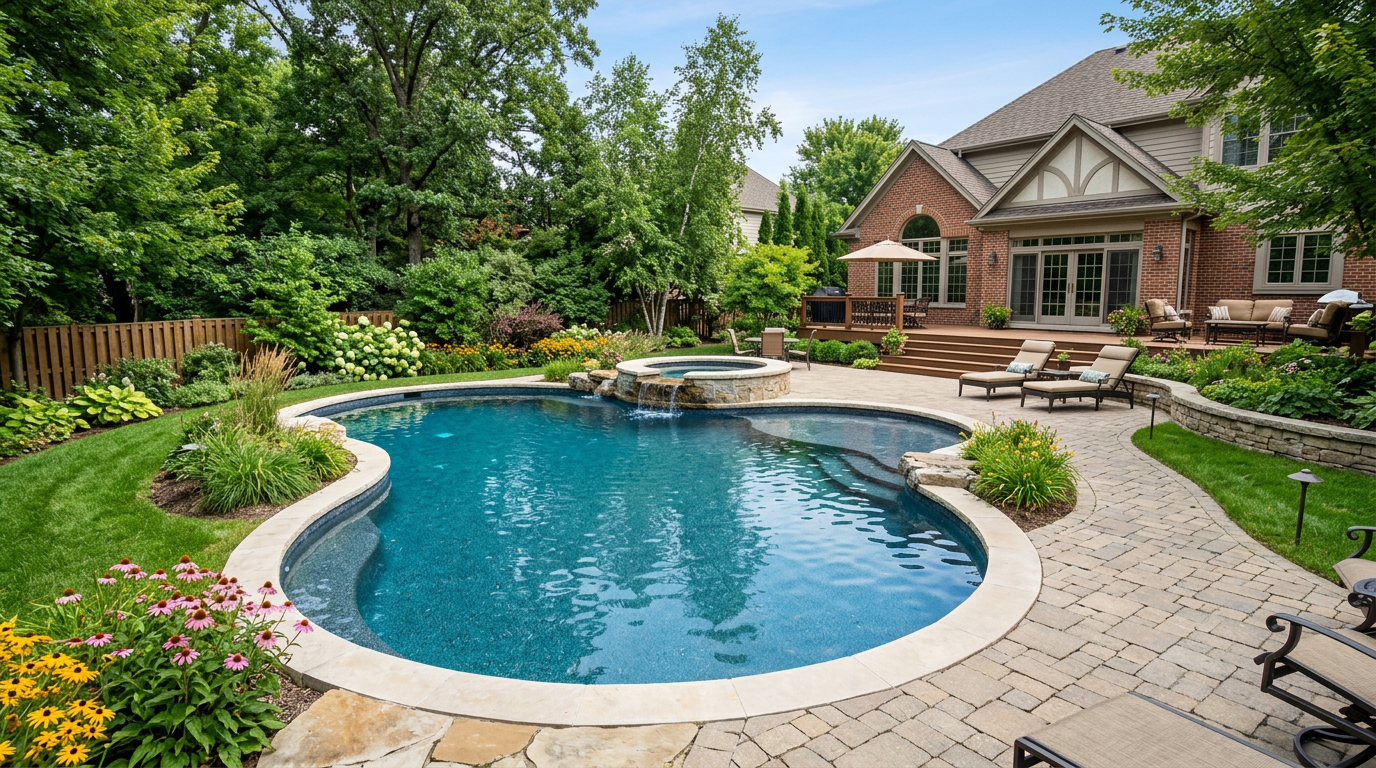
When the heat peaks in July and August, having a private retreat in your own backyard is the ultimate luxury. For homeowners in the region's premier enclaves—from the historic estates of Mission Hills and the sprawling lawns of Leawood and Overland Park to the exclusive lakeside properties of Lee’s Summit and Lake Quivira —a swimming pool is more than a way to cool off. It is an extension of your home’s architectural design, a sanctuary for family wellness, and the centerpiece for outdoor entertaining. If you are looking to transform your property, navigating the wide world of pool types and their real-world installation numbers can feel overwhelming. Because the Midwest features a unique blend of dense clay soil, rolling topography, and intense freeze-thaw winter cycles, building a pool here requires specialized engineering and clear budgeting. At Under Pressure General Contracting , we believe in complete transparency. Let’s dive deep into every single pool option on the market, what they cost in our local area, and how they impact your home's equity Part 1: The Four Main Pool Options and True Local Costs When building a pool in affluent Midwest neighborhoods, projects are rarely just a "hole in the ground." They are complete, turnkey outdoor living transformations. A realistic budget for a fully completed, estate-tier backyard project ranges from $135,000 to $250,000+ . The base material you select will set the foundation for your overall investment. 1. Custom Gunite (Concrete) Pools If you want a truly bespoke, estate-level masterpiece, gunite is the gold standard. Gunite allows for absolute freedom in terms of shape, depth, infinity edges, and integrated water features. ● Turnkey Project Range: $150,000 – $250,000+ (Base shell only: $65,000 – $120,000+) ● The Long-Term Catch: They are highly durable and offer unlimited design flexibility. However, they take the longest to build (often several months) and require a professional resurfacing every 10 to 15 years, a maintenance task that can cost $10,000 to $20,000. 2. Premium Fiberglass Pools Manufactured off-site as a single, solid structure, fiberglass pools are delivered via semi-truck and seamlessly set into your yard with a crane. This option is highly favored in neighborhoods across Overland Park and Leawood for its smooth finish and minimal upkeep. ● Turnkey Project Range: $120,000 – $160,000 (Base shell only: $55,000 – $100,000) ● The Long-Term Catch: Because fiberglass is non-porous, it naturally resists algae growth, reducing your chemical and electrical maintenance bills over time. The only downside is that you must choose from pre-made shapes and sizes offered by the manufacturer. 3. Vinyl Liner Pools Vinyl pools are constructed by framing out a steel or polymer structure in the ground and dropping a thick, smooth vinyl liner over it. ● Turnkey Project Range: $85,000 – $130,000 (Base shell only: $35,000 – $65,000) ● The Long-Term Catch: While they offer a lower upfront cost for an inground experience, vinyl liners are susceptible to tears from pets or pool toys. You will need to replace the liner every 5 to 10 years, which costs around $3,500 to $7,000 each time. 4. Above-Ground Pools For properties where severe slopes make excavation impossible or for homeowners looking for a quick, temporary way to cool off, above-ground pools sit entirely on top of the terrain. ● Turnkey Project Range: $5,000 – $25,000+ (Depending on the wrapper, custom wrapping decks, and equipment) ● The Long-Term Catch: While highly budget-friendly and quick to set up, they do not add to your home's resale value, have a shorter lifespan (7 to 12 years), and lack the architectural appeal required by upscale HOAs. Part 2: The "Midwest Factors" and Capital Expenses When planning a budget with Under Pressure General Contracting , remember that the pool shell is only one part of the equation. Our local geography demands specific construction adjustments: ● Topography and Retaining Walls ($25,000 – $75,000+): Elite Midwest properties are rarely perfectly flat. Dealing with a sloped yard requires precise grading, engineered drainage, and structural retaining walls to establish a level, safe patio. ● Excavation and Clay Soils ($2,500 – $9,000): Our heavy, compact clay soil expands when wet and shrinks when dry, putting immense physical pressure on an underground structure. Proper excavation requires heavy equipment, extra gravel backfill, and structural reinforcing to ensure your pool remains level through decades of changing seasons. ● Permitting and Code Compliance ($1,500 – $4,500): Affluent municipalities maintain strict zoning, setback, and safety laws. Local building codes mandate specific utility easements, professional engineering drawings, and perimeter safety fencing. Part 3: What is the Real ROI of a Pool in the Midwest? When investing six figures into a property upgrade, evaluating your Return on Investment (ROI) is highly critical. We evaluate this metric through two distinct lenses: Financial ROI: The Resale Value Historically, real estate experts noted that a pool in the Midwest offered a lower financial return than one in Florida or Arizona due to our shorter swimming season. However, market dynamics have shifted drastically in premium neighborhoods. In high-end markets like Leawood, Mission Hills, and Lee's Summit, a beautifully designed inground pool paired with professional landscaping is highly sought after by luxury buyers. You can expect a financial return of 5% to 8% on your overall home value , or a direct cost-to-value recovery of about 40% to 60% of the build cost upon resale. Furthermore, homes with premium outdoor living spaces tend to sell significantly faster than those without. Lifestyle ROI: The Priceless Return The true value of a pool is a lifestyle return. It is about creating a private sanctuary where your family can unplug, where you can host elegant poolside gatherings, and where you can enjoy luxury resort living without ever leaving home. It extends your living space outdoors for six months out of the year, creating a focal point for your estate that a financial spreadsheet simply cannot calculate. Part 4: Elevating the Space with Premium Upgrades 
By Shanelle Kidd May 18, 2026
When the first warm breeze of spring arrives, most homeowners in Lenexa and Overland Park think of gardening and outdoor barbecues. However, before you fire up the grill, your home needs a "health check." At Under Pressure General Contracting , we know that winter is notoriously hard on a house—ice, heavy winds, and fluctuating temperatures can cause wear and tear that remains hidden until it becomes a costly problem. By following a seasonal maintenance routine, you ensure your home runs efficiently, stays dry during spring showers, and remains a cool oasis during the summer heat. Phase 1: The Spring Restoration : Spring is about clearing the path for the new season. Your primary goal here is to inspect the "envelope" of your home—the roof, walls, and foundation—to ensure no water is getting in. 1. The Gutter Sweep Winter often leaves gutters filled with silt, sticks, and decomposing leaves. If these aren't cleared, spring rains in Lenexa will overflow, leading to foundation erosion or basement leaks. Ensure your downspouts are pointing at least three feet away from your foundation. 2. The Roof Walk-Around You don't necessarily need to get on a ladder; a pair of binoculars from the driveway can work wonders. Look for shingles that are cracked, buckling, or missing. Pay close attention to the "flashing" (the metal seals) around your chimney and vents. 3. Exterior Faucets & Irrigation Even if you wrapped your pipes, a deep freeze can cause hairline cracks in exterior spigots. Turn on your outside water and place your thumb over the opening. If you can stop the flow easily, there might be a leak inside the wall. Phase 2: The Summer Efficiency As the heat picks up, your focus shifts from the exterior structure to your internal mechanical systems. 1. HVAC Optimization Your Air Conditioner is your best friend in July. Change your air filters immediately. A dirty filter forces the motor to work harder, shortening its lifespan and spiking your energy bill. Additionally, clear any weeds or debris away from the outdoor condenser unit to ensure proper airflow. 2. The "Wind-Chill" Effect Most people forget that ceiling fans have a switch on the side of the motor. In the summer, your fans should rotate counter-clockwise . This pushes air straight down, creating a breeze that allows you to set your thermostat about 4 degrees higher without feeling any warmer. 3. Window Integrity If you have older windows, check the caulking. Heat causes materials to expand and contract; if the seal is broken, your expensive AC air is escaping. Applying a fresh bead of exterior caulk is one of the cheapest ways to lower your summer cooling costs. Our experts at Under Pressure General Contracting compiled a quick and easy checklist for homeowners in Johnson County to get your home ready for warmer months! 3. Window Integrity If you have older windows, check the caulking. Heat causes materials to expand and contract; if the seal is broken, your expensive AC air is escaping. Applying a fresh bead of exterior caulk is one of the cheapest ways to lower your summer cooling costs.
By Shanelle Kidd April 10, 2026
At Under Pressure General Contracting , we believe your home should grow with you. "Aging in place" isn’t just about safety—it’s about maintaining your independence and style without the stress of moving. Based in Lenexa , we specialize in transforming houses across the Kansas City Metro into "forever homes" that are as beautiful as they are functional. Whether you’re in the heart of the city or the quiet suburbs, here is what’s trending for aging-in-place remodeling in our local communities.  Trending Now: Aging in Place by City Every neighborhood has its own unique charm and architectural style. Here is what homeowners are requesting most in the cities we serve: Kansas City, MO: The Rise of the ADU In KCMO , the biggest trend is the Accessory Dwelling Unit (ADU) . Many homeowners in neighborhoods like Waldo or Westport are converting garages or building "backyard cottages." The Goal: These units allow parents to live close to family while maintaining their own private, fully accessible space. Key Feature: Open-concept layouts with zero-entry doorways that blend seamlessly with the historic look of the main hom e.
By Shanelle Kidd January 19, 2026
Many 1940s–50s ranch homes in Leawood were originally built without the modern convenience of an en-suite. Today, homeowners are looking to reclaim that space, seeking the comfort and privacy of a well-designed primary retreat. At Under Pressure General Contracting , we specialize in managing the structural and mechanical complexities of these additions, helping you bridge the gap between classic mid-century charm and modern luxury. Why a Primary Suite Addition is a Smart Investment A dedicated primary wing does more than improve daily quality of life; it addresses one of the most significant demands in the current housing market. ● Market Demand: Modern buyers in Leawood KS prioritize homes with a secluded retreat. Adding one can broaden your pool of potential offers and support a higher valuation. ● Tiered Value: * Entry Level: Buyers look for clean, efficient en-suites with smart storage. Mid-Tier: Expectations shift toward a true suite with a double vanity and a walk-in closet. Upper Tier: Luxury features like spa-style baths, custom closet systems, and a design that respects the home's original character are essential. Smart Ways to Expand Every lot and home structure presents different opportunities. We help you choose the path that preserves your property’s best features while meeting your space goals. 1. The Single-Story Bump-Out A bump-out extends the footprint at the rear or side of the house. It is a popular choice because it often ties into the existing roofline, keeping the exterior profile clean. ● Typical Footprints: 120–200 sq ft (bath/closet enlargement) up to 500 sq ft (full suite). ● Pros: Lower complexity; shorter timeline; maintains single-level living and "aging in place" accessibility. ● Cons: Reduces yard space; requires careful management of grading and drainage. ● Best For: Functional, high-impact upgrades without a total exterior overhaul. 2. Dormer or Partial Second Story By altering the roofline, this approach creates a private "penthouse" retreat in the existing attic space or as a new level. ● Typical Footprints: 150–250 sq ft (dormer) up to 600+ sq ft (partial second story). ● Pros: Preserves your entire yard; provides maximum privacy and strong curb appeal when well-integrated. ● Cons: Highest cost per square foot; involves complex structural framing, new stairs, and mechanical changes. ● Best For: Maximizing indoor square footage on a limited lot. 3. Full Wing Addition A full-scale addition creates a standalone primary wing, often used to anchor a broader home refresh. ● Typical Footprints: 400–900+ sq ft. ● Pros: Total layout flexibility; room for luxury tubs, sitting areas, and massive closets. ● Cons: Longest timeline; highest total cost; requires significant lot coverage and stormwater planning. ● Best For: Comprehensive lifestyle upgrades and high-end property transformations. Structural & Mechanical Fundamentals At Under Pressure , we partner with licensed Engineers and Architects who focus on the integrity of the construction to ensure your addition lasts as long as the original home. ● Foundation & Grading: We match your home's foundation type—whether continuous footing, piers, or grade beams—to ensure a seamless interior floor level and prevent future settling. ● Roofing & Waterproofing: Matching pitches and overhangs isn't just for looks; it's critical for water shedding. We ensure every tie-in is perfectly waterproofed. ● Mechanical Load: Extending your HVAC often requires upsizing your system or adding a supplemental mini-split heat pump. We also evaluate your existing electrical panel to ensure it can handle the additional load of new lighting, outlets, and heated flooring, or if a secondary, upgraded, panel is necessary.
By Shanelle Kidd January 19, 2026
For many homeowners in Prairie Village, the guest or primary bathroom is a time capsule. Step inside and you’re met with the greatest hits of 1988: dusty rose or seafoam tiles, oversized Hollywood vanity lights, and the ubiquitous, space-consuming jetted tub encased in a carpeted platform. While the 80s and 90s were eras of "more is more," modern design leans toward "better is more." At Under Pressure General Contracting , we believe reconfiguring these spaces isn't just about updating a color palette; it’s about correcting the clunky ergonomics of the past to create a peaceful, yet functional, sanctuary for the future. The Death of the Dust Collector In the 90s, the built-in garden tub was the ultimate luxury statement. Today, these massive basins are often seen as "water-wasters" that take up 30% of the floor plan while being used twice a year. The modern reconfiguration prioritizes the walk-in shower. By tearing out the platform tub, our team at Under Pressure General Contracting helps homeowners gain enough real estate for a curbless, glass-enclosed shower featuring rainfall heads and recessed, lighted niches. If a tub is still a must, the trend has shifted toward the freestanding soaking tub. It offers the same relaxation with a much smaller footprint and a sculptural aesthetic that makes the room feel larger.
Master suite addition in Prairie Village including a walk-in closet by Under pressure.
By Shanelle Kidd December 5, 2025
At Under Pressure General Contracting, our mission extends beyond the hammer and nail. We see ourselves as equity partners, advising homeowners in Johnson county on how to turn raw effort into tangible resale value. In the highly competitive arena of real estate, the distinction between a beloved personal project and a savvy investment is everything. You may cherish that bespoke, built-in wine cellar, but the market is often indifferent to hyper-specific luxuries. The shrewd homeowner must look past individual whims and focus on the universal truth: return on investment (ROI) is king. We are here to cut through the noise, championing the renovations that consistently return the highest percentage of their cost. The time to build smart is now. Do not just renovate; INVEST!!!! The moment a potential buyer crosses the threshold, a critical calculus begins. Studies confirm the decision is largely made within the first minutes, driven by unimpeachable curb appeal and the perception of core, flawless functionality. These are the areas where your capital will work hardest. The projects listed below consistently dominate the value charts because they address the buyer's most fundamental psychological needs: welcome and reliability. The Five Pillars of Resale Value: Our Top-Tier Recommendations 1. The Garage Door: The Unexpected Facelift It defies logic, yet the numbers don't lie. Replacing an antiquated, weary garage door is often the single most effective exterior upgrade. It occupies significant visual real estate, and a modern, high-quality replacement broadcasts immediate messages of contemporary aesthetics and sound structural maintenance. *The Under Pressure Verdict: A Phenomenal Return (Frequently exceeding 90%!) Advisory Note: Always specify an insulated model. This subtle nod to energy efficiency is a quiet selling point and a demonstrable sign of quality construction. 2. The Measured Kitchen Refit: Precision Over Opulence The kitchen remains the heart of the home, but it's renovation must be approached with caution. The error lies in the over-customization of an expensive full remodel. Instead, embrace the minor, mid-range refresh. Buyers in Johnson county KS crave updated cleanliness and functional style—not your specific, high-end appliance preferences. Revitalizing cabinet fronts (refinishing or repainting), installing universally appealing hardware, upgrading to resilient solid-surface or quartz countertops, and replacing truly aged appliances with reliable stainless-steel models. The Under Pressure Verdict: A Reliable Asset (Consistently 70% - 80%) 3. The Entry Door: The Security and Style Statement Your front door is the home's handshake. A tired entryway compromises security and dampens the entire visual impression. A new, insulated steel or fiberglass door is a dual-purpose investment, immediately improving security ratings and providing an exceptional aesthetic boost. The Under Pressure Verdict: High-Impact Appeal (Often competes with the garage door ROI!) Design Editorial: Treat the front door as the focal point of the exterior. A considered color choice or subtle architectural detail here elevates the entire property's perceived value. 4. The Bathroom Refinement: Clarity and Neutrality A sparkling, functional bathroom is non-negotiable for buyers, but a expensive renovation can easily exceed the market’s willingness to pay. Our recommendation is refinement, not revolution. Aim for a clean, neutral, and universally appealing spa-like atmosphere. The Strategic Targets: New, standard vanity and lighting fixtures, flawless regrouting, contemporary hardware, and efficient plumbing (low-flow toilet). The Editorial Stance: Avoid personal, elaborate tilework. Neutral tones (whites, grays, classic subway tile) signal a clean slate. The Under Pressure Verdict: A Solid Performer (Approximately 65% - 75%) 5. The Outdoor Extension: Creating Usable Space In the modern housing market, outdoor living is no longer a bonus; it’s an expectation. A thoughtfully constructed deck or patio is an economical way to extend the home's "usable square footage" without the prohibitive cost of structural additions. While natural wood often registers a slightly higher ROI percentage, we note that composite decking offers the compelling selling point of minimal maintenance, a major draw for today’s busy buyer. The Under Pressure Verdict: An Lifestyle Advantage (60% - 70%) The Low-Return Pits: Where Passion Overrides Prudence We are always prepared to execute your dream, but transparency dictates we must identify the renovations that prioritize personal enjoyment over financial return: 1. The Overwrought Luxury Kitchen: The cost curve flattens drastically beyond a certain budget threshold. Extreme luxury spending is a personal amenity, not a sound investment strategy. 2. The Pool Dilemma: A significant maintenance liability and insurance risk, pools are often viewed as a deterrent by a large segment of the buyer population. 3. Hyper-Customized Rooms: Dedicated theaters, elaborate sunrooms, or highly specialized hobby areas. These projects impose the owner's specific vision, potentially alienating buyers who view the space only as expensive remodeling waiting to happen. The Under Pressure General Contracting Final Word Before a single hammer is raised in pursuit of ROI, the structural integrity of your home must be non-negotiable. Maintenance is the prerequisite for renovation. A fresh entry door cannot mask a compromised foundation or a failing HVAC system. Once the home is fundamentally sound, let Under Pressure General Contracting guide your investment toward these proven, high-impact projects. We don't just build homes in Johnson county; we help build equity.
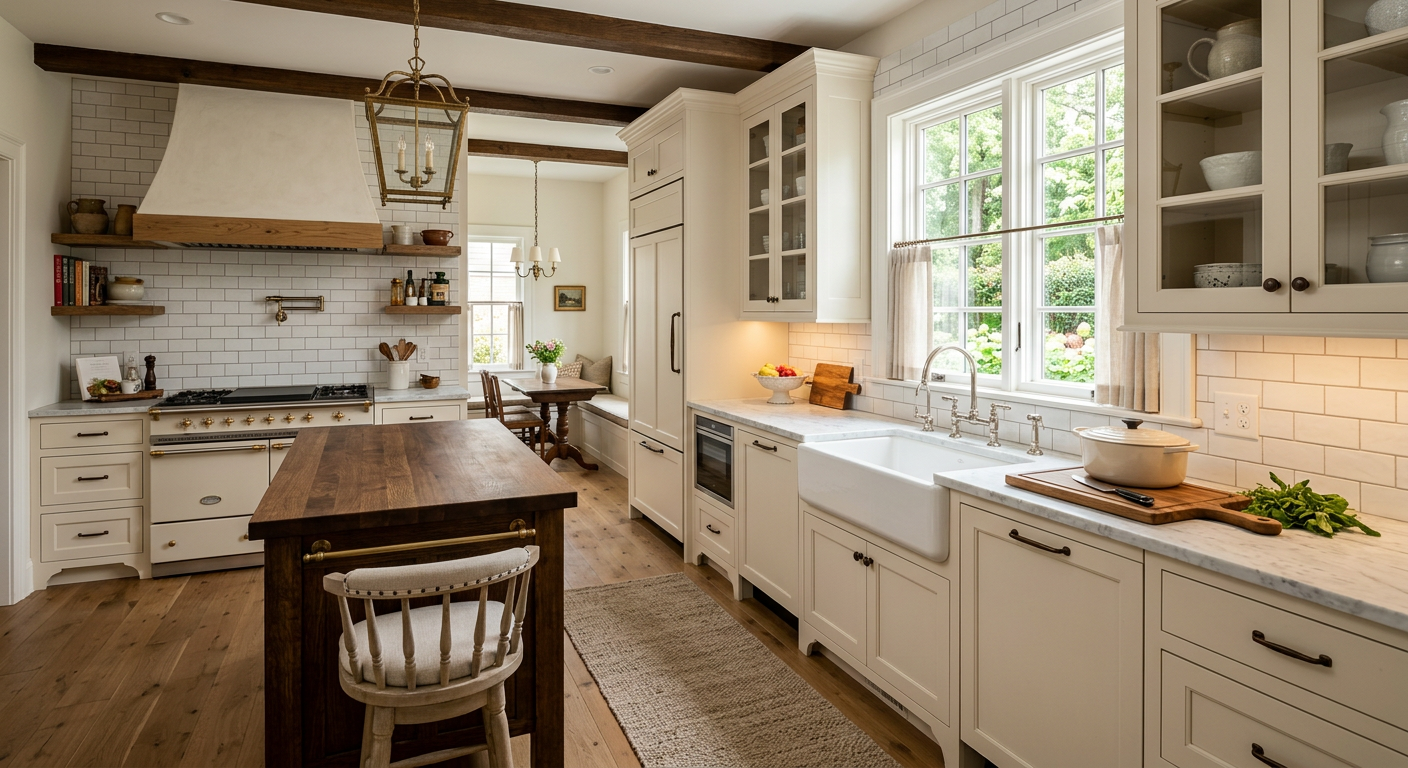
Optimal kitchen layout Overland Park Kansas.
By Under Pressure General Contracting September 25, 2025
The kitchen is the heart of the home, a space where meals are prepared, memories are made, and daily life unfolds. Its layout is the foundation of its function, dictating how smoothly you can work, entertain, and live. At Under Pressure General Contracting, we understand that a kitchen remodel around Kansas City is a significant investment in your home and your lifestyle. That's why we’re dedicated to helping you select and build the perfect layout that not only looks beautiful but also enhances your daily routine. A thoughtfully designed kitchen can streamline your workflow, maximize your storage, and create a welcoming atmosphere. It’s a space where you should feel comfortable and inspired. Let's delve into some of the most popular kitchen layouts and explore how each one can meet different needs and design preferences. The Open-Concept Kitchen: The Entertainer's Dream The open-concept kitchen has become a staple of modern home design, and for good reason. By integrating the kitchen with the dining and living areas, it creates a spacious, fluid environment. This layout is perfect for homeowners who love to host gatherings, as it allows the cook to be part of the conversation rather than being isolated. Who it's for: Families and individuals who love to entertain, those who want to supervise children while cooking, and anyone who desires a bright, airy living space. Key advantages: Promotes social interaction, makes a home feel larger and more open, and allows for abundant natural light to flow through the space. Design considerations: A large central island is often the anchor of this layout, serving as a food prep area, a breakfast bar, and a gathering spot. It’s crucial to select materials and finishes that harmonize with the rest of the living area to create a cohesive look. The U-Shaped Kitchen: The Efficiency Master If your top priority is a highly functional workspace, the U-shaped kitchen is an excellent choice. This layout features cabinetry and countertops along three adjacent walls, forming a "U." This design naturally creates a highly efficient "work triangle" between the sink, stove, and refrigerator, minimizing steps and making food preparation incredibly smooth. Who it's for: Serious home cooks, bakers, and anyone who needs maximum storage and counter space. Key advantages: Unmatched efficiency and workflow, generous countertop area for multiple appliances, and a surplus of cabinet space for all your kitchen essentials. Design considerations: This layout is versatile enough for both large and small kitchens. In a spacious kitchen, the U-shape can be paired with a central island. For smaller spaces, a peninsula can serve as a breakfast bar or extra prep area without compromising the efficient design. The L-Shaped Kitchen: The Flexible Workhorse The L-shaped kitchen is a highly adaptable and popular layout. It uses two adjacent walls for cabinetry and appliances, creating an "L" shape. This design is perfect for kitchens that open up to another room, providing an efficient workspace without closing off the area. Who it's for: Homeowners who want a semi-open feel, those with small-to-medium-sized kitchens, and anyone looking for a versatile layout that can be easily expanded. Key advantages: Provides a generous amount of counter space and allows for a smooth flow of traffic. It's an ideal base for adding an island or a dining table, which can serve as a secondary workspace or a casual eating area. Design considerations: This layout keeps the kitchen well-defined while still feeling connected to the rest of the home. The open corner provides an excellent opportunity to add a lazy Susan or a corner cabinet to maximize storage. The Galley Kitchen: The Compact Powerhouse For homes with limited space, the galley kitchen is a testament to the power of efficient design. This layout consists of two parallel walls with a walkway in between. Don't underestimate it—this simple design is incredibly effective at keeping everything within arm's reach. Who it's for: Urban dwellers, small households, and anyone with a narrow kitchen space. Key advantages: Highly efficient and compact, making it easy to move between the stove, sink, and refrigerator. It’s an ideal choice for minimizing clutter and maximizing a small footprint. Design considerations: To make a galley kitchen feel more spacious, consider using lighter colors, open shelving, and reflective surfaces. Careful planning is essential to ensure a smooth traffic flow and to prevent the space from feeling cramped. Choosing the right kitchen layout is the first step toward creating a space you’ll love for years to come. At Under Pressure General Contracting , our experienced team will work closely with you to understand your lifestyle, needs, and vision. We’ll help you navigate the options and create a customized design that brings your dream kitchen to life, ensuring it's not only stunning but also perfectly functional. Ready to take the next step? Contact us today to schedule a free consultation. Let's transform your space into the kitchen of your dreams! 913-274-9555